
February 23, 2026
Musée Magazine
Written by Isabela Ferreira
The camera follows James Baldwin through the South. Steve Schapiro traveled extensively with the writer and activist in the early 1960s, documenting voter registration drives, the March on Washington and the Selma to Montgomery marches. His photographs from this period form the visual backbone of the Civil Rights Movement era memory. Being Everywhere, on view until March 21 at the Fahey/Klein Gallery in Los Angeles, celebrates Schapiro’s six-decade career as one of the most significant American photojournalists of the 20th century. The exhibition takes its title from Maura Smith’s documentary chronicling his life, a phrase that captures both the scope of his archive and the ethos driving his practice.
Schapiro worked as a freelance photographer for LIFE Magazine, Time and Newsweek. He understood photojournalism as bearing witness, a responsibility requiring physical presence at the unfolding moment. His civil rights photographs capture gravity and community in equal measure, the weight of historical movement alongside the humanity sustaining it. He documented not just marches, but the quiet intervals between them, moments of love and exhaustion that reveal what endurance actually looks like.
In the 1970s and 1980s, Schapiro extended his fly on the wall approach to Hollywood. He produced behind the scenes photographs on sets of “The Godfather,” “Taxi Driver,” “Midnight Cowboy” and “Chinatown.” These images carry the same unguarded intimacy as his documentary work, the same instinctive sense of narrative. Schapiro recognized that film sets, like political movements, are sites where collective effort produces singular moments. His photographs from both contexts refuse the myth of isolated genius, insisting instead on collaboration, process and the many hands required to make history or cinema.
David Fahey, gallery co-founder, wrote that Schapiro’s work addresses collective feelings, past and present, in American culture and society. The photographs simultaneously function as historical documents and emotional touchstones. They record events without simply recording them. Schapiro’s images invite viewers to feel the weight, urgency and humanity of that moment. A photograph of Muhammad Ali shadowboxing with a Monopoly game in Louisville, Kentucky in 1963 becomes a meditation on power, play and the systems structuring both.
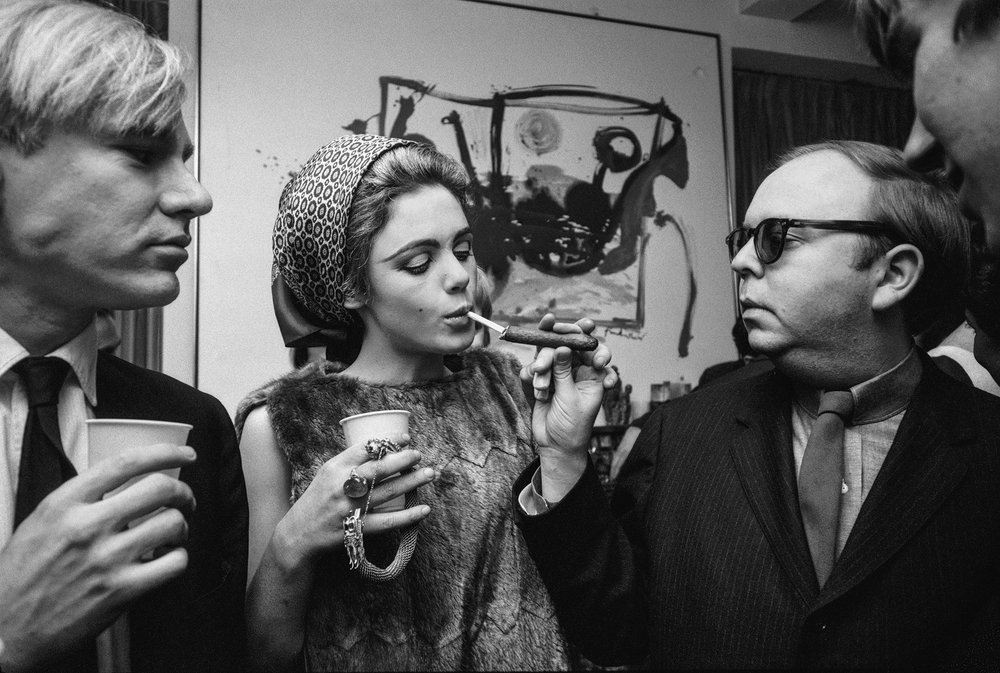
Being Everywhere includes portraits of Andy Warhol, Edie Sedgwick and David Bowie, alongside images of migrant workers, musicians backstage at the Apollo Theater and people shooting dice in New York City streets. The range demonstrates Schapiro’s refusal of hierarchy. Every subject receives the same attention, respect and careful looking.
Steve Schapiro, Fahey/Klein Gallery